Cereals and Starches are among the most important foods in the human diet. They provide energy, nourish the body with essential nutrients, and support daily physical and mental function.
Although often labeled simply as “carbs,” they contribute far more to health, culture, and global food security. This guide explains their nutritional value, benefits, culinary uses, and how to include them wisely for a balanced lifestyle.
What Are Cereals and Starches?
Cereals refer to edible grains such as rice, wheat, maize, barley, millet, oats, and rye. They have been cultivated for thousands of years and remain staples in most regions of the world.
Starches are the main carbohydrate component found within these grains. They make up a large part of the grain’s endosperm and serve as an essential energy source for the body.
In addition, cereals are versatile. They appear as whole grains, flours, bread, pasta, breakfast cereals, porridges, and many traditional foods. Because of this flexibility, they are widely consumed across cultures, religions, and cooking styles.
Nutritional Composition of Cereals and Starches
Cereals contain carbohydrates, protein, fiber, vitamins, and minerals.
They also include phytochemicals and antioxidants that support long-term health. Below is a breakdown of key nutrients.
Carbohydrates
Cereals are rich in complex carbohydrates, particularly starch. These carbs digest slowly, allowing energy to be released gradually.
As a result, cereals help maintain stable blood sugar levels and steady energy throughout the day.
Protein
Although not extremely high in protein, cereals still contribute a valuable amount. When combined with legumes, they form a complete protein source with all essential amino acids.
Vitamins & Minerals
Whole-grain cereals contain B vitamins, vitamin E, magnesium, iron, phosphorus, and zinc. These nutrients support metabolism, brain health, immune function, and blood formation.
Fiber
Whole grains are full of dietary fiber. Fiber improves digestion, promotes gut balance, and prevents constipation.
Resistant starch acts like fiber and nourishes healthy gut bacteria.
Health Benefits of Cereals and Starches
Including cereals and starches in your meals offers several advantages. When consumed as whole grains rather than refined grains, the benefits are even greater.
Boosts Energy Levels
Complex carbohydrates provide long-lasting fuel. Unlike simple sugars, they release glucose slowly, preventing energy crashes.
Supports Digestive Health
Fiber keeps the digestive system active. It also encourages regular bowel movement and helps prevent bloating and discomfort.
Helps Prevent Chronic Disease
Whole grains are linked to a reduced risk of diabetes, heart disease, and obesity. Their antioxidants protect cells and reduce inflammation.
Weight Control and Satiety
Fiber increases fullness. Because you feel satisfied longer, you tend to eat less between meals.
Improved Nutrient Intake
Cereals supply essential vitamins and minerals needed for overall body function. When paired with vegetables, legumes, and lean proteins, they complete a balanced meal.
Whole Grains vs Refined Grains
Not all cereal products are equal. Processing methods influence nutritional value dramatically.
Whole Grains
- Keep the bran, germ, and endosperm
- Contain more fiber and micronutrients
- Offer longer-lasting energy
- Better for gut health and heart function
Examples: brown rice, whole-wheat flour, oats, barley, millet.
Refined Grains
- Remove bran and germ during processing
- Lose most fiber, vitamins, and minerals
- Digest faster and cause blood sugar spikes
- Provide energy but fewer nutrients
Examples: white rice, white bread, regular pasta.
Culinary Uses of Cereals and Starches
Cereals adapt beautifully to many meals. You can prepare them in simple forms or incorporate them into elaborate dishes.
Daily Staples
Rice, wheat flour, millet, and cornmeal appear in everyday meals worldwide. Chapati, bread, paratha, and rice bowls are common examples.
Breakfast Options
Oats, corn flakes, muesli, and porridge offer a quick and nutritious start to the morning.
Traditional & Cultural Dishes
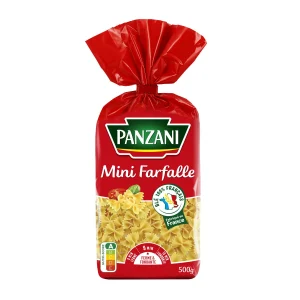
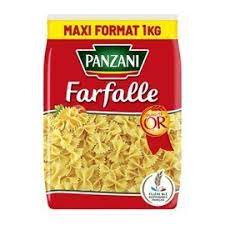
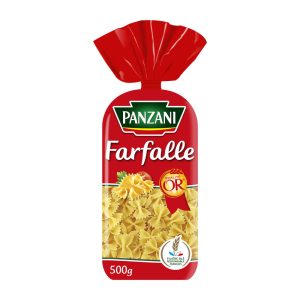
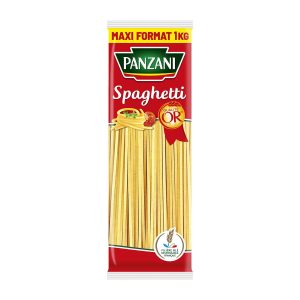
Every region has grain-based foods that reflect heritage and flavor identity — biryani, pasta, couscous, tortillas, pulao, savory porridges, dumplings, and more.
Flours & Baking
Cereals ground into flour become the base for cakes, biscuits, noodles, rotis, pastries, and pancakes. With minimal modification, they suit both sweet and savory dishes.
Thickening Agent
Starch extracted from cereals helps thicken soups, sauces, custards, and stews while adding texture.
Tips for Healthy Consumption
To gain the most benefit from cereals and starches, consider the following:
- Choose whole grains over refined grains.
- Combine cereals with legumes for complete protein.
- Include vegetables and lean proteins for balance.
- Avoid excessive consumption of refined starch foods.
- Watch portion size if weight management is a goal.
- Drink enough water to support fiber digestion.
Small changes like swapping white rice for brown or choosing whole-grain bread can make a meaningful difference.
Cereals, Sustainability & Global Food Security
Cereals support populations across continents. They are easy to store, economical to grow, and efficient in feeding large communities. Moreover, rotating cereal crops with legumes improves soil health and helps maintain agricultural balance.
A diet centered on grains and supplemented with plant protein is not only healthy — it is environmentally responsible. Choosing cereals thoughtfully supports sustainable eating patterns and future food stability.
Cereals and starches are powerful nutritional foundations rather than simple fillers.
They fuel the body, support digestion, and contribute essential vitamins and minerals. When eaten as whole grains, they assist in disease prevention, improve gut health, and offer stable energy throughout the day.
By embracing variety, choosing whole-grain options, and combining them with vegetables and legumes, you can create meals that nourish both body and lifestyle.
Explore grain-based recipes, diversify your daily meals, and enjoy the natural vitality cereals bring to your table.